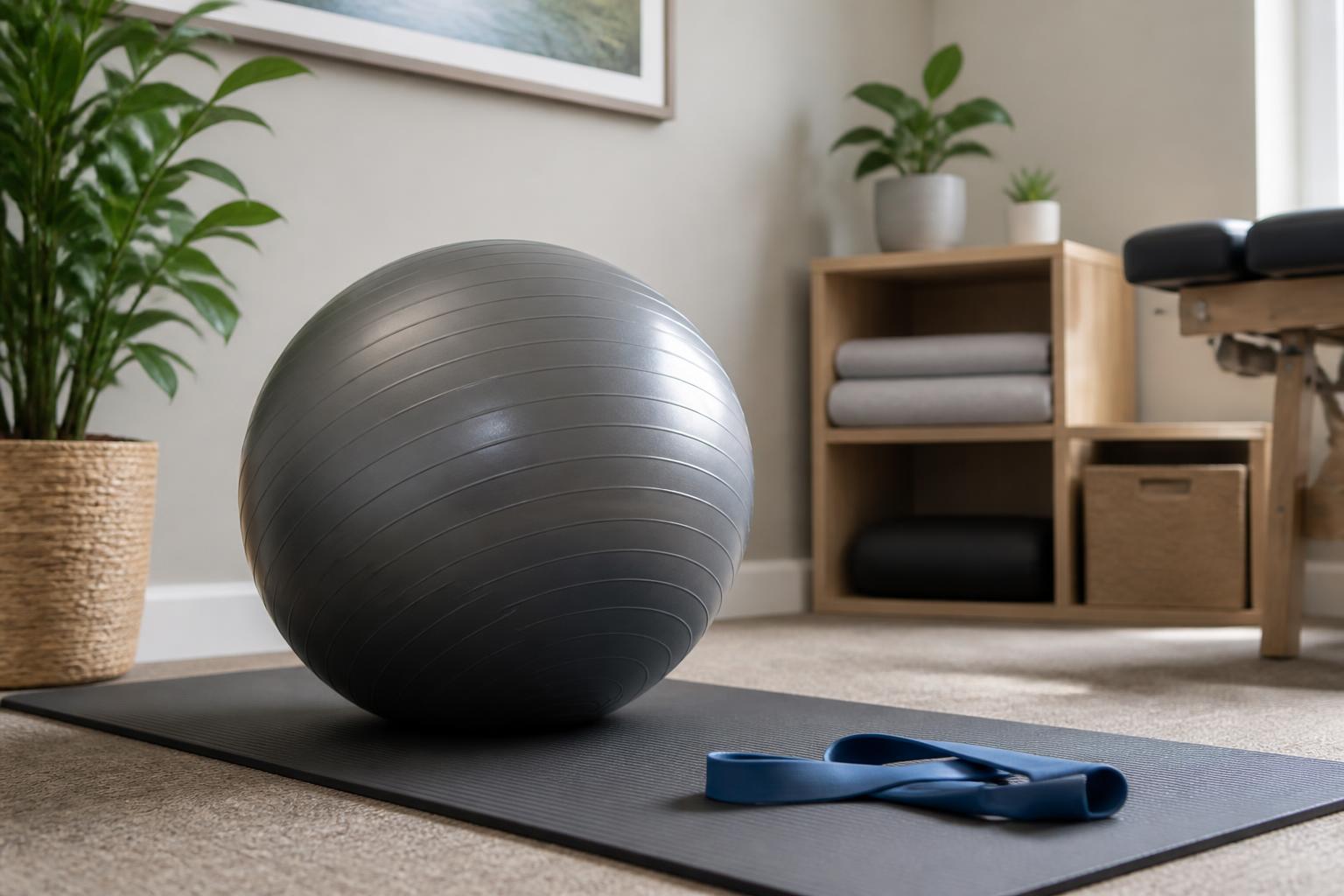
Neck stiffness that keeps coming back, a low back that tightens after sitting, or posture that feels worse by the week can make even simple routines harder. If movement feels limited and pain keeps returning after a quick fix, corrective exercises may be the next step.
At True Chiropractic, we use Corrective Exercises for people across San Diego, CA who want more than temporary relief. We pair chiropractic adjustments with personalized exercise plans that help you build better movement, improve stability, and support day-to-day comfort at home, work, and during activity.
Corrective exercises are not just for athletes. They can help people who spend long hours at a desk, those recovering from strain, and anyone whose body has started compensating around pain or stiffness. The goal is to address the movement patterns that may be contributing to discomfort, not just the spot that hurts today.
These exercises are typically chosen when you notice pain that returns with the same motions, posture that feels difficult to hold, or mobility that seems limited on one side more than the other. In many cases, a targeted plan can help your body move with less effort and less irritation.
At True Chiropractic, corrective exercise care starts with understanding how you move, where discomfort shows up, and which patterns may be making things worse. From there, we choose exercises that fit your current ability level and your treatment goals.
We keep the plan practical. The movements may be simple, but they are selected with purpose. Some focus on activation, some on control, and some on building strength or flexibility where your body needs it most. The aim is to make progress without overloading irritated areas.
Corrective exercise programs are usually built from a mix of movement drills, stabilization work, and flexibility support. The exact plan depends on your condition, your goals, and how your body responds over time. For many patients, a few focused movements done consistently can make a noticeable difference.
These help restore easier motion where joints or muscles have become guarded. The intent is not to force range, but to guide smoother movement with better control.
These exercises help your body hold posture and alignment during routine actions. Better stability can reduce strain during lifting, reaching, or prolonged sitting.
Some people need targeted stretching to help release areas that are pulling too hard on the neck, shoulders, hips, or back. We use stretches that fit your current condition, not a one-size-fits-all routine.
Corrective exercises are often used alongside chiropractic adjustments to support relief from several common complaints. They can be especially helpful when pain returns after short-term care or when a body part keeps overworking to make up for another area.
In San Diego, CA, patients often come to us with pain or tension that affects work, commuting, exercise, or sleep. A focused exercise plan can help make daily movement feel less frustrating and more manageable.
Your corrective exercise visits are shaped around your symptoms and your progress. We want the plan to be understandable, repeatable, and realistic for your schedule. If a movement is too easy or too hard, we adjust it rather than leaving you with a generic routine.
We start by discussing what hurts, what movements feel limited, and what you want to get back to doing.
We choose exercises that match your needs and focus on the areas most likely to support improvement.
You learn the movements with coaching so you know how they should feel and how to avoid unnecessary strain.
As your body changes, we can modify the plan to keep it useful and appropriately challenging.
Corrective exercises often work well with chiropractic adjustments because each approach supports a different part of care. Adjustments can help improve joint motion, while exercises help your body hold and use that motion better during daily life.
That combination is especially useful when symptoms have been recurring for a while. Without follow-through, the same patterns that caused irritation may keep showing up. With the right exercise plan, you have a way to reinforce the changes you are making between visits.
True Chiropractic uses this approach for people seeking practical care for back pain, neck pain, posture concerns, mobility limits, and wellness support. The focus stays on what helps your body move and feel better now, then continue improving over time.
Results from corrective exercise depend heavily on consistency. Most plans work best when the movements are done the way they were prescribed and adjusted as needed rather than rushed through or skipped. A short routine done regularly is often more useful than a long routine done once in a while.
To make that easier, we try to keep exercise plans manageable. You should know why each movement matters, how often to do it, and what changes to watch for. If something does not feel right, we can refine the plan instead of asking you to push through it.
They are selected based on your symptoms, posture, mobility, and how your body moves during evaluation. The plan is built around what your body needs most.
They should not create sharp pain. Some movements may feel challenging or bring mild muscle effort, but the goal is to work within a range that feels appropriate for your condition.
Yes. Many corrective exercise plans include home movements so you can keep making progress between visits. We make sure you understand how to do them before you leave.
No. They can also support neck pain, posture issues, mobility problems, shoulder tension, and recovery from strain related to activity or daily wear.
That depends on your condition, your goals, and how consistently you follow the routine. Some people need only a short phase of instruction, while others benefit from longer support.
They usually complement adjustments rather than replace them. The exercises help reinforce better movement patterns, while adjustments address joint motion and related symptoms.
If you are dealing with recurring pain, stiff movement, or posture that keeps getting worse, corrective exercises may be a practical next step. True Chiropractic serves San Diego, CA from our Convoy Street office and provides personalized care designed to support real movement changes, not just short-term relief.
Call (858) 279-7300 to schedule your visit and learn whether Corrective Exercises fit your needs.