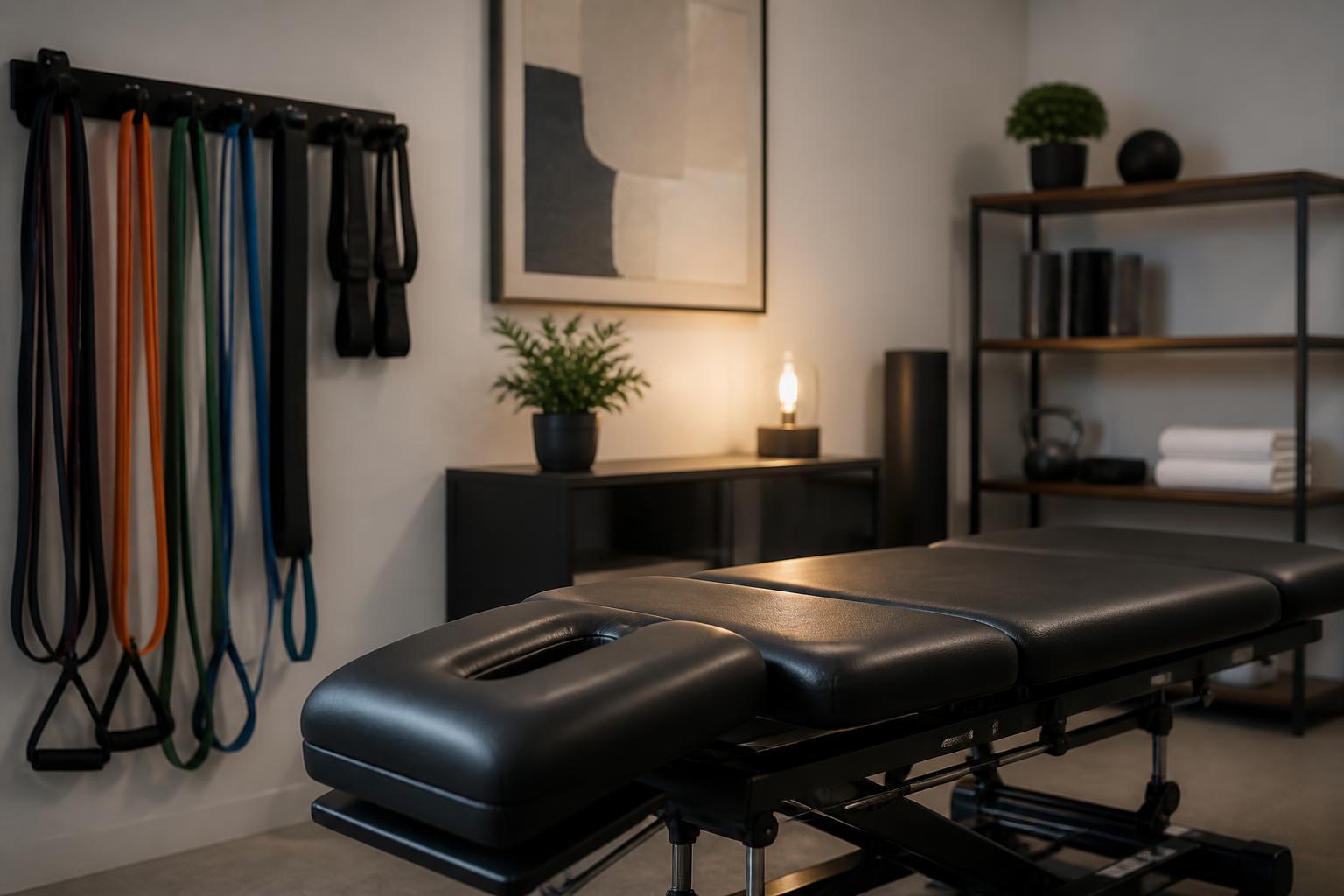
You do not have to keep training through pain, swelling, or stiffness after a sports injury. If a twist, collision, repeat strain, or awkward landing has left you sore, limited, or unsure how to move, the next step is getting your body assessed and treated with a plan that fits the way you move.
At True Chiropractic, we provide sports injury care for active people across San Diego, CA who want focused relief and a smart path back to normal movement. Whether the problem started on the field, at the gym, or during everyday activity, we look at the injured area, the way it affects the rest of your body, and the kind of care that can help you return with more confidence.
Sports injuries are not all the same. Some show up as a sharp pain right away, while others build gradually with repeated motion, overuse, or compensation after a smaller strain. We treat the problem as it shows up today, not just the moment it started.
True Chiropractic provides care for athletes and active adults dealing with pain that affects training, work, sleep, or simple movement. Our office on Convoy Street serves patients who want practical chiropractic care for the spine, joints, and surrounding muscles after activity-related injury.
Before care begins, we learn how the injury behaves, what movements make it worse, and what changes you have already noticed. That helps us shape treatment around your real symptoms rather than guessing.
We also pay attention to the way one painful area can change how the rest of your body moves. A sore low back can alter the hips. A stiff neck can lead to shoulder tension. Small compensation patterns often keep an injury irritated longer than it should be.
We identify exactly where the discomfort sits and whether it stays local or spreads with movement.
We look at which motions feel restricted, unstable, or uncomfortable during daily and athletic activity.
We ask what started the pain and what tends to bring it back, including sport-specific motions and repeat strain.
We check for areas that may be overworking because another part is not moving well.
Sports injury care at True Chiropractic may include chiropractic adjustments, treatment planning based on your symptoms, corrective exercises, and supportive guidance for movement. The goal is to reduce irritation, restore better motion, and help your body handle activity with less strain.
We do not take a one-size-fits-all approach. A runner with recurring low back tightness may need a different plan than someone dealing with a neck strain after contact or a shoulder issue after repetitive lifting.
It is common for active people to try to wait out a sports injury. But if the pain keeps showing up during training, movement, or simple tasks, the problem may be more than temporary soreness. Lingering symptoms can make the body guard the injured area and create new tension elsewhere.
If you have been dealing with pain that does not settle down, stiffness that keeps returning, or a range of motion that never feels quite right, sports injury care may help you get a clearer picture of what is happening and what to do next.
Chiropractic adjustments can help address joint restriction and support better movement after sports-related strain. When appropriate, we also use corrective exercises to reinforce the gains made during care so your body has a better chance of holding improved motion between visits.
That combination matters because many sports injuries involve both irritation and altered mechanics. If the body keeps moving around the problem, the pain can become easier to trigger. A plan that includes movement work helps bridge that gap.
Corrective exercises help you retrain stability and coordination around the injured area.
Better movement can ease stress on areas that have been compensating.
Rebuilding motion and control may make sport, exercise, and daily activity feel more manageable.
Sports injury care often focuses on the spine, since back and neck strain can affect nearly every movement you make. But we also pay attention to how the rest of the body responds, especially when pain changes your posture or the way you load your joints.
For some patients, the main concern is a back injury after lifting or twisting. For others, it is neck pain after sudden impact or repeated strain during training. No matter the starting point, the goal is to help your body move with less restriction and less guarding.
Sometimes a patient is dealing with more than one source of strain. An auto accident injury can combine with an active lifestyle, and the body may still feel the effects when returning to sport, work, or exercise. In those cases, care must account for both the original injury and the way it affects motion now.
True Chiropractic offers chiropractic care for back pain, neck pain, auto accident injury care, spinal decompression, posture correction, and ongoing wellness support, so treatment can be shaped around the full picture rather than one symptom at a time.
People often want to know what happens first. The process is straightforward and centered on your symptoms, your activity level, and your goals for getting back to movement.
We start with how the pain began, what it feels like, and what it keeps you from doing.
We check how your body moves and where restriction or compensation may be showing up.
We outline the treatment plan and begin the care that fits your current condition.
We track how symptoms change and shape the plan around your response over time.
We see patients from San Diego, Kearny Mesa, Clairemont, Mission Valley, Linda Vista, and Serra Mesa who want sports injury care close to where they live or work. Our Convoy Street office is a practical stop for active people looking for chiropractic support that is direct, personalized, and grounded in the way their body actually moves.
True Chiropractic is open Monday and Wednesday from 8:00 to 6:30, Tuesday and Thursday from 3:00 to 6:30, and Friday from 8:00 to 11:00. If you are dealing with a sports injury and want to talk through the next step, our San Diego, CA office is ready to help.
Yes. Some injuries feel worse later, especially once swelling, guarding, or stiffness sets in. Getting checked after the initial shock passes can still help.
No. We also help with pain from workouts, fitness classes, recreational activity, and repetitive strain that acts like a sports injury.
That is common. We look at how the areas connect so the plan addresses the full pattern instead of only the most obvious symptom.
It may help when the same movement keeps triggering pain because of restricted motion, compensation, or poor load tolerance.
When appropriate, yes. Corrective exercises can help support the improvements made during visits and improve movement between appointments.
No. Anyone active can develop a sports-related injury, including people who walk, lift, run, cycle, or train casually.